
Specialist & Commercial
Historic roofs repaired the way they were built
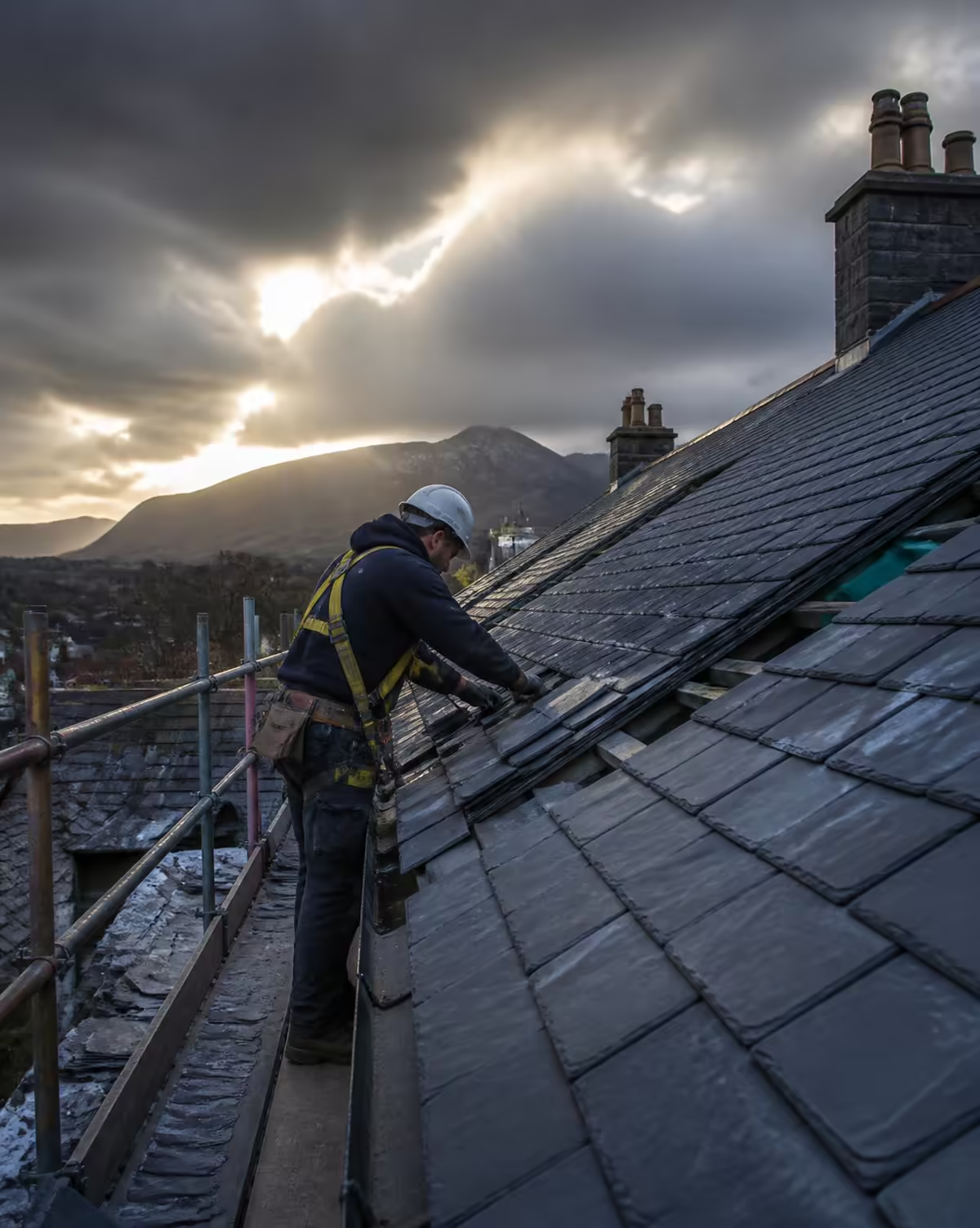
Cumbria and the Borders are full of buildings older than modern roofing practice. Putting hard cement, the wrong slate or a modern membrane on them causes damage that takes decades to show and a great deal of money to reverse.
- 24/7 emergency line
- Free written quotations
- Fully insured work
24/7
Emergency roofing response across Cumbria and the Borders, answered day and night.
Heritage & Traditional Roofing: the short answer
Heritage roofing is the repair and renewal of roofs on listed, historic and traditionally built properties using materials and techniques appropriate to the original construction — natural slate and stone slate, lime mortar, traditional leadwork and hand-formed detailing — and carried out within the consents the building's status requires.
Who this is for
- Owners of listed buildings and properties in conservation areas
- Churches, chapels, village halls and other community heritage buildings
- Farmhouses, barns and steadings with stone slate or traditional coverings
- Estates and trusts responsible for historic fabric
- Anyone whose conservation officer has asked for an appropriate specification
Signs you need this work
Cement pointing on soft stone
Hard mortar traps moisture and forces damage into the stone instead of the joint.
Failed stone slate fixings
Traditional oak pegs and torching deteriorate long before the stone does.
Modern repairs failing early
Sealant, fibreglass and cement fillets applied to a building that needed lead and lime.
Slipped or missing random slate
Diminishing-course roofs need re-laying to the original coursing, not patching with uniform units.
Your options
Like-for-like repair
Salvaging and re-laying original material with new appropriate fixings.
Lime mortar work
Repointing, bedding and haunching in a lime mix matched to the original.
Traditional leadwork
Bossed and welted lead detailing rather than modern shortcuts.
Structural timber repair
Splicing historic rafters and purlins rather than wholesale replacement.
Materials and specification
Stone slate
Reclaimed and new, laid in diminishing courses as the original roof was.
Natural slate
Matched for size, thickness, colour and origin.
Lime mortar
Hydraulic and non-hydraulic mixes specified for the masonry and exposure.
Milled lead
Traditional codes and details, dressed and bossed rather than welded where appropriate.
Oak pegs and torching alternatives
Traditional fixing methods where the roof construction calls for them.
Helpful roofing advice
Independent guidance from our advice centre — what the symptoms may mean and what your options are, before you commit to any work.
How it works
Our process, step by step
Record before disturbance
Photographic survey — commonly by drone, since walking a stone slate roof damages it.
Understand the construction
Coursing, fixing method, mortar type and previous interventions.
Consents
We identify where listed building consent or conservation area approval is needed before work is planned.
Specify appropriately
Materials and methods documented for the owner, architect or conservation officer.
Salvage and sort
Original material carefully removed, sorted and reused wherever it is sound.
Repair and reinstate
Work carried out to the agreed specification and fully documented on completion.
Why it matters
What you get from doing it properly
Appropriate specification
Lime where lime belongs, lead where lead belongs — not a modern substitute.
Original material retained
Salvage first; replace only what genuinely cannot be reused.
Documented for consent
A written specification a conservation officer or architect can review.
Non-invasive survey
Drone inspection means fragile roofs are assessed without being walked on.
Common questions
Related
Work that often goes with this
Leadwork & Lead Flashings
Roofing leadwork covers flashings, soakers, aprons, back gutters, lead valleys and bay roofs. Lead is used at every junction where a roof meets something else, and correctly formed lead detailing is the difference between a junction that lasts fifty years and one that leaks in five.
Slate Roofing
Slate roofing covers the installation and repair of natural and fibre-cement slate roofs. Natural slate is the traditional covering across much of Cumbria and the Borders, has an exceptionally long service life, and is usually limited by its fixings rather than the slate itself.
Chimney Repairs & Repointing
Chimney repair covers repointing, rebuilding, flaunching, pot and cowl work and the lead flashings that seal the stack to the roof. Chimneys are the most weather-exposed masonry on a building and a very common source of damp attributed to the roof.
Drone Roof Inspections
A drone roof inspection uses a camera-equipped unmanned aircraft to photograph and film every part of a roof at close range without scaffolding, ladders or anyone working at height. It produces high-resolution evidence of the actual condition of ridges, valleys, chimneys, flashings and coverings, delivered as a documented report you can keep, share and compare against future inspections.
Coverage
Heritage Roofing across our patch
Carlisle and north Cumbria are our core area. We work regularly across the rest of Cumbria and southern Scotland, and take planned projects further afield.
Not sure what your roof needs?
Tell us what you are seeing and we will tell you honestly whether it is a repair, a maintenance job or something that needs replacing. Consultations and written quotations are free.