
Roofing costs
Why can a small roof repair cost more than expected?
Access, safety, matching materials and diagnosis: why the size of a defect is a poor guide to the cost of putting it right.
- Evidence before expenditure
- Options, not pressure
- Updated 2026-09-16
24/7
Emergency roofing response across Cumbria and the Borders, answered day and night.
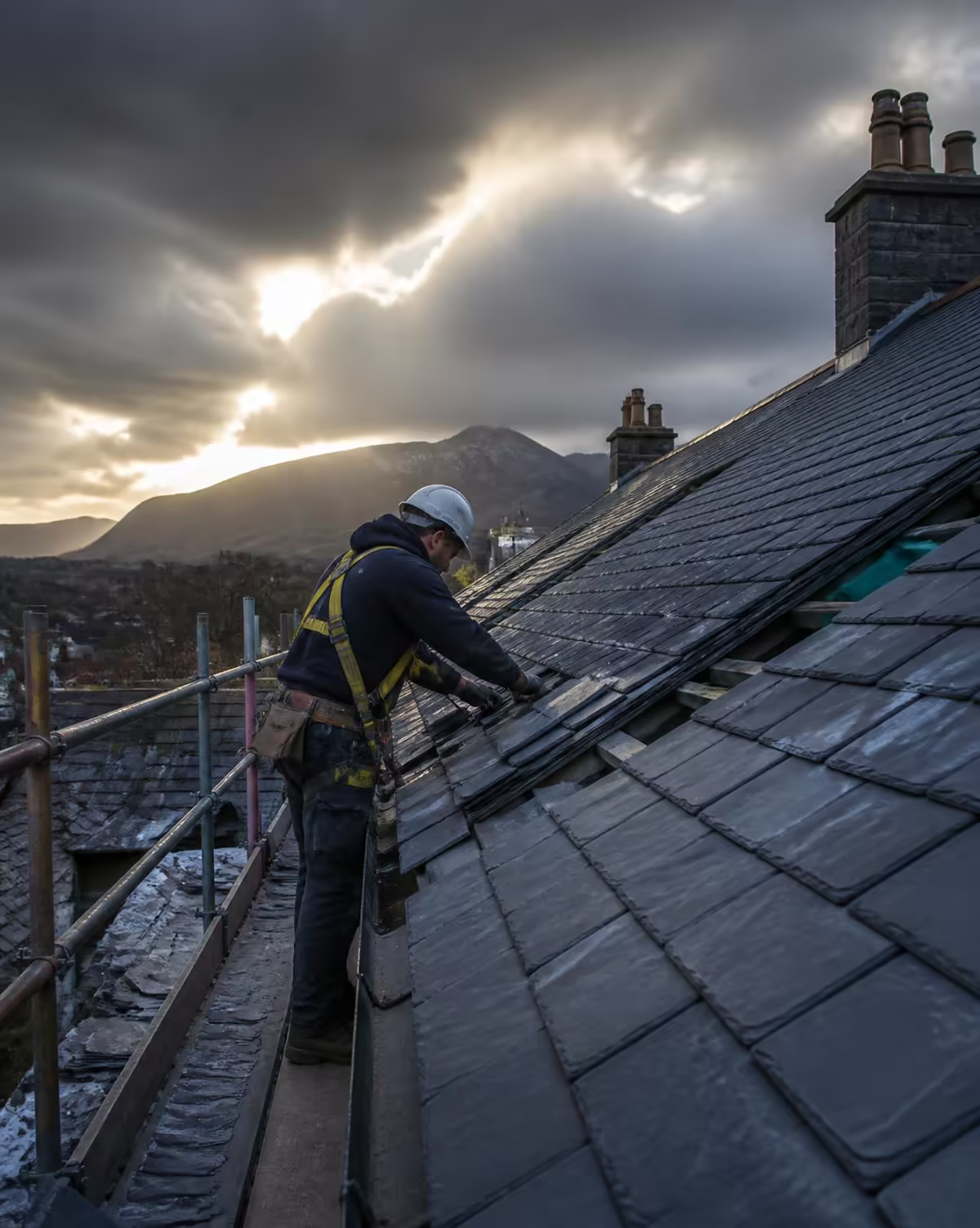
Because the size of the defect has little to do with the cost of reaching it safely. Access equipment, safe working at height, matching materials, and the time spent establishing the cause are the real components. A single cracked slate at high level can legitimately cost more than a larger repair at eaves level.
Getting there safely
Work at height has to be planned and equipped properly. Depending on the roof that may mean a tower, a mobile platform or a scaffold, and it may mean two people rather than one. Fragile coverings need staging so nobody stands on the slates.
Hire, delivery, erection and collection of access equipment are all real costs, and they do not shrink because the defect is small.
- Access equipment hire, erection and removal
- Two people where the work cannot be done alone
- Staging or crawl boards on fragile coverings
- Traffic management or protection where the roof overhangs a public area
Matching and materials
Sourcing slate or tile that matches in size, thickness and colour can take time, and on older buildings reclaimed material may be needed. Leadwork is priced by weight and by the labour to dress it properly.
Doing it with the correct material rather than the nearest available is the difference between a repair that disappears into the roof and one that is visible from the street.
Diagnosis and doing it once
Time spent establishing the cause is time that stops you paying for a second attempt. Where a roof needs several small repairs, combining them into one visit is normally far better value than treating them separately.
Ask what else could sensibly be dealt with while the access is in place. That question saves more money than negotiating on the day rate.
Questions worth asking before booking a small repair
When a repair looks minor from the description alone, it is worth asking in advance how the quotation has treated access, so the figure reflects what will actually be needed on the day rather than an assumption made without seeing the roof. A contractor who has inspected, even briefly, before pricing is in a better position to state whether a ladder will suffice or whether a tower or scaffold is required, and that distinction is usually where an initial expectation and the eventual invoice diverge.
It is also worth asking whether the quotation separates labour, materials and access, since a single combined figure makes it harder to see which element is driving the cost. A breakdown lets you judge whether the price reflects the work described, and it gives you something concrete to compare if you seek a second opinion on the same repair.
What evidence should you look for?
These are indications, not conclusions. Each one narrows where to look; only an inspection confirms a cause.
The defect is high up, over a public footpath or above fragile coverings.
Access provision may be the dominant cost regardless of the repair size.
Areas that may need investigating
- access options
- whether other work can be combined
Urgency: Monitor
Understanding cost structure is a planning matter. The urgency of the repair itself depends on what has failed, not on its price.
Repair or replace?
Where access is expensive, combining repairs or renewing a whole detail while equipment is in place is often better value than a minimal repair now and another visit later.
How we can help
- Roof RepairsPlanned roof repair fixes an identified defect — slipped slates, cracked tiles, failed flashings, valley or ridge problems — before it becomes water ingress. Repairs are appropriate where the covering and structure are otherwise sound and the fault is localised.
- Roof SurveysA roof survey is a documented assessment of a roof's condition, remaining service life and defects, delivered as a written report with photographs and prioritised recommendations. It is used for property purchases, planned maintenance budgeting, insurance, dilapidations and settling disagreements about whether a roof needs replacing.
- Leadwork & Lead FlashingsRoofing leadwork covers flashings, soakers, aprons, back gutters, lead valleys and bay roofs. Lead is used at every junction where a roof meets something else, and correctly formed lead detailing is the difference between a junction that lasts fifty years and one that leaks in five.
Related questions
What should you do next?
Ask for the access element to be shown separately in the quotation, and what else could be completed in the same visit.
Last updated 2026-09-16.
Get a written diagnosis on your roof
Free inspection and quotation across Cumbria, southern Scotland and the North East. For water coming in now, call 07777389016 — answered 24/7.