
Roofing costs
What affects the cost of a new roof?
Size, pitch, complexity, materials, access, structure and disposal: the factors that decide what renewing a roof costs.
- Evidence before expenditure
- Options, not pressure
- Updated 2026-09-16
24/7
Emergency roofing response across Cumbria and the Borders, answered day and night.
Area and pitch set the baseline. Beyond that: how complex the roof is, which covering is specified, how much detail work in lead and mortar is involved, the access required, what has to be done to battens, underlay and timber, and disposal of the old covering. Heritage and planning requirements can change the specification entirely.
The roof itself
Area is the obvious factor, but complexity often matters more. A simple gable roof of a given area is a straightforward job; the same area broken up by valleys, dormers, chimneys, roof lights and changes of pitch involves far more detail work, and detail work is where the labour goes.
Pitch affects both the covering specification and how the work has to be carried out.
Materials and matching
Natural slate, reclaimed slate, clay tile, concrete tile and metal all sit at different points on cost and expected life. Where a building needs to match its surroundings, or is listed or in a conservation area, the specification may be set for you.
Leadwork, dry-fix ridge and verge systems, ventilation provision and rainwater goods all form part of the figure.
- Area, pitch and complexity
- Covering specification and matching requirements
- Battens, underlay and ventilation
- Leadwork and detail work at chimneys, valleys and abutments
- Access provision and duration
- Timber repairs and disposal of the old covering
The unknowns beneath the covering
Until the roof is stripped, nobody knows the condition of every batten and timber. A responsible quotation says how that is handled: a stated allowance, a rate for additional work, and an agreement that you are consulted before extra work proceeds.
A quotation that is silent on this is not cheaper; it has simply left the question for later.
What to insist on in writing
Scope, specification, access, duration, how unknowns are handled, what happens to the old material, and the workmanship guarantee. Comparing two quotations on those points is the only fair comparison.
Sequencing the work to manage disruption
Beyond the roof covering itself, a full renewal can involve scaffolding for the duration of the project, protection of the property and its contents while the roof is open, and coordination with other trades affected by the work, such as guttering or solar arrays that need temporary removal. These practical elements are part of what a specification should address, since they affect how long the property is exposed and how the site is managed day to day.
It is worth asking how the contractor sequences the work to minimise the time the roof is open to the weather, particularly on larger properties or where the forecast is uncertain. A specification that sets out the order of operations, and what contingency exists if weather interrupts the programme, gives a clearer picture of what to expect than one that only describes the finished result.
What evidence should you look for?
These are indications, not conclusions. Each one narrows where to look; only an inspection confirms a cause.
A quotation gives one figure with no specification.
Scope and materials cannot be compared, so the price is not meaningful.
Areas that may need investigating
- itemised scope
- materials specified
- access provision
Urgency: Monitor
This is planning for major work rather than a response to a defect.
Repair or replace?
Before pricing a full replacement, ask whether partial renewal or stripping and relaying sound covering would serve. Both are legitimate options that are frequently left out of the conversation.
Further investigation is the right next step when
- Condition of battens, underlay and timber not yet established
How we can help
- New RoofsA new roof means stripping the existing covering back to the rafters and rebuilding with new underlay, battens, covering, flashings and roofline details. It is the right decision when fixings have failed across the whole roof, when the covering has reached the end of its service life, or when repairs are recurring faster than they can be justified.
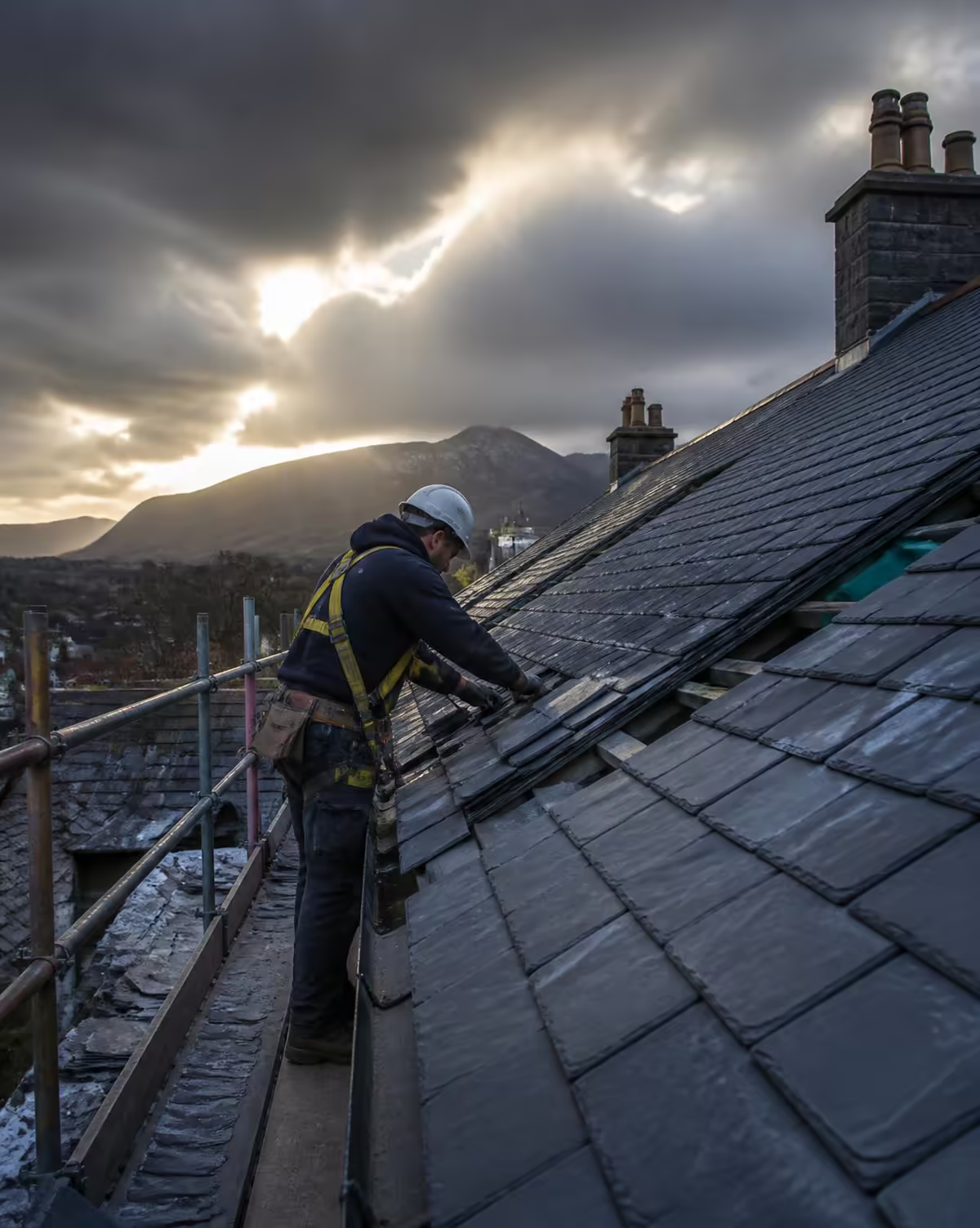
- Slate RoofingSlate roofing covers the installation and repair of natural and fibre-cement slate roofs. Natural slate is the traditional covering across much of Cumbria and the Borders, has an exceptionally long service life, and is usually limited by its fixings rather than the slate itself.
- Tiled RoofingTiled roofing covers clay and concrete tile installation and repair, including plain tiles, pantiles and interlocking profiles. Tile choice affects weight, minimum pitch, appearance and service life, and the right tile depends on the roof structure as much as on preference.
Related questions
What should you do next?
Ask for an itemised specification rather than a single figure, and for repair or partial renewal to be priced too where they are genuinely viable.
Last updated 2026-09-16.
Get a written diagnosis on your roof
Free inspection and quotation across Cumbria, southern Scotland and the North East. For water coming in now, call 07777389016 — answered 24/7.