
Skip to content

24/7 emergency roofing response — Cumbria & the Borders

Roofing advice

Storm damage and insurance claims on roofs

We cannot tell you what your insurer will decide, and we do not promise claim outcomes. These answers explain the process and the evidence that supports it.

  • Storms
  • Damage
  • Insurance
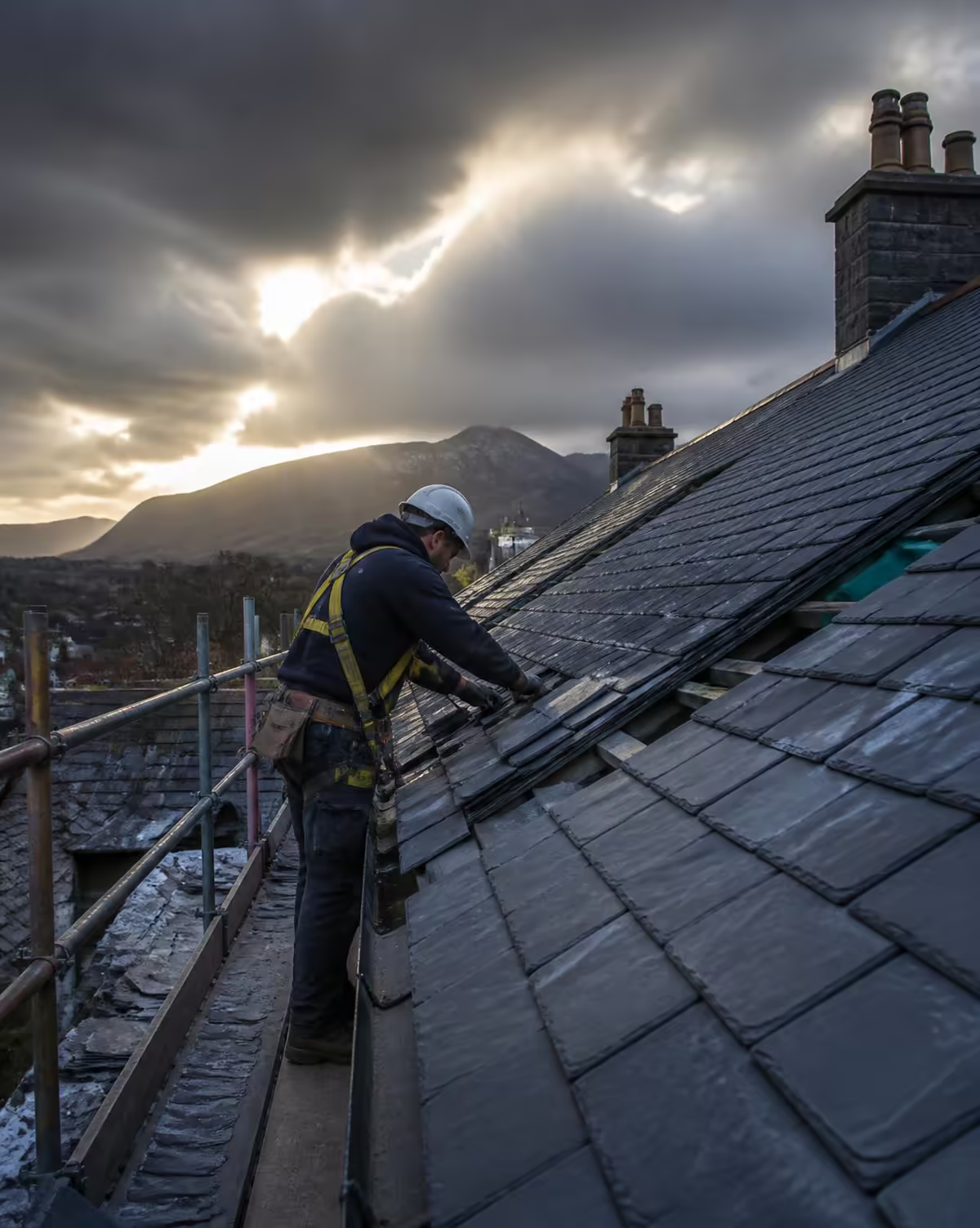
Roofer re-slating a pitched Cumbrian roof from scaffolding at dusk

24/7

Emergency roofing response across Cumbria and the Borders, answered day and night.

The short answer

After a storm, the priorities are safety, making the building watertight, and recording evidence with dated photographs before anything is disturbed. Insurers generally distinguish sudden storm damage from gradual wear, so evidence of the roof's prior condition and of the specific event both matter.

What matters here

Before you decide

Safety before evidence

Displaced slates, loose ridge sections and damaged chimneys can fall. Keep people away from the affected elevation and do not go up to look.

Photograph before temporary repairs

Dated images of the damage as found, including debris on the ground, support both the diagnosis and any claim. Temporary protection can then go on without losing the record.

Storm damage versus gradual deterioration

Policies commonly cover sudden damage caused by a storm rather than the wear that preceded it. A clear report describing the mechanism of failure is more useful to an insurer than a bare quotation.

Read your own policy on emergency work

Many policies allow reasonable steps to prevent further damage. Terms vary, so check yours or ask your insurer before commissioning anything beyond making the building safe.

In depth

Full guides in this subject

Questions answered

Answers in this subject

Can a damaged roof be temporarily made watertight?

Usually yes. Temporary covering, securing loose components and protecting openings can stop further water entering while a permanent repair is planned. What is possible depends on weather, access and safety on the day, and temporary work should always be described as temporary with the permanent repair specified afterwards.

What to expect from temporary work

It buys time and prevents further internal damage. It is not a repair, and it is not a substitute for establishing the cause and extent of the damage once conditions allow.

Photograph the damage before the temporary work goes on, and photograph the temporary work too, so the sequence is documented.

What evidence should you look for?

These are indications, not conclusions. Each one narrows where to look; only an inspection confirms a cause.

  • Bad weather is forecast and the roof is open.

    Temporary protection is the priority over diagnosis.

    Areas that may need investigating

    • safe access
    • extent of the opening

Urgency: Urgent

An unprotected roof continues to take water in until it is covered, so protection is time-critical even when the repair is not.

What should you do next?

Ask what temporary protection is proposed, how long it is expected to hold, and when the permanent repair will be specified.

Can strong winds loosen slates without blowing them off?

Yes, and it is one of the most commonly missed forms of storm damage. Uplift flexes coverings repeatedly, enlarging nail holes, snapping brittle nibs and breaking the interlock between tiles. The component stays in place but is no longer held as it was, and the consequence usually shows in the next spell of driven rain.

How to check for it

Loosened components often rock or rattle when touched, and they may sit very slightly proud of their neighbours. From the ground this is close to invisible, which is why drone imagery or physical access is what identifies it.

Mortar bedding at ridges and verges shows the same effect: fine cracks that look trivial but let water into the bed.

What evidence should you look for?

These are indications, not conclusions. Each one narrows where to look; only an inspection confirms a cause.

  • New leak after a storm with nothing obviously missing.

    Coverings or bedding may have moved without being displaced.

    Areas that may need investigating

    • ridge and verge bedding
    • components that rock
    • flashing edges

Urgency: Arrange an inspection

The roof may be less weathertight than it appears, and establishing that now is better than discovering it during the next storm.

What should you do next?

Ask for a post-storm inspection that specifically covers fixings, bedding and components that have moved rather than only those that are missing.

Will insurance cover an old leaking roof?

Policies commonly respond to sudden damage from an identifiable event rather than to gradual deterioration, so a long-standing leak on an ageing roof is often assessed differently from storm damage. Whether any particular claim is met is for your insurer to decide under your policy wording. We report findings accurately and leave that assessment to them.

What we can and cannot do

We can inspect, record what has failed, and say whether the damage appears recent or long-standing. We cannot tell you what your policy covers, and we will not describe deterioration as storm damage.

Citizens Advice publishes impartial guidance on claims, and the Financial Ombudsman Service considers disputes.

Urgency: Arrange an inspection

The condition of the roof needs establishing whether or not a claim is made, because it determines what work is actually required.

What should you do next?

Get the condition reported in writing, then discuss the position with your insurer using that report.

Get a written diagnosis on your roof

Free inspection and quotation across Cumbria, southern Scotland and the North East. For water coming in now, call 07777389016 — answered 24/7.