
Should a roofing contractor be insured?
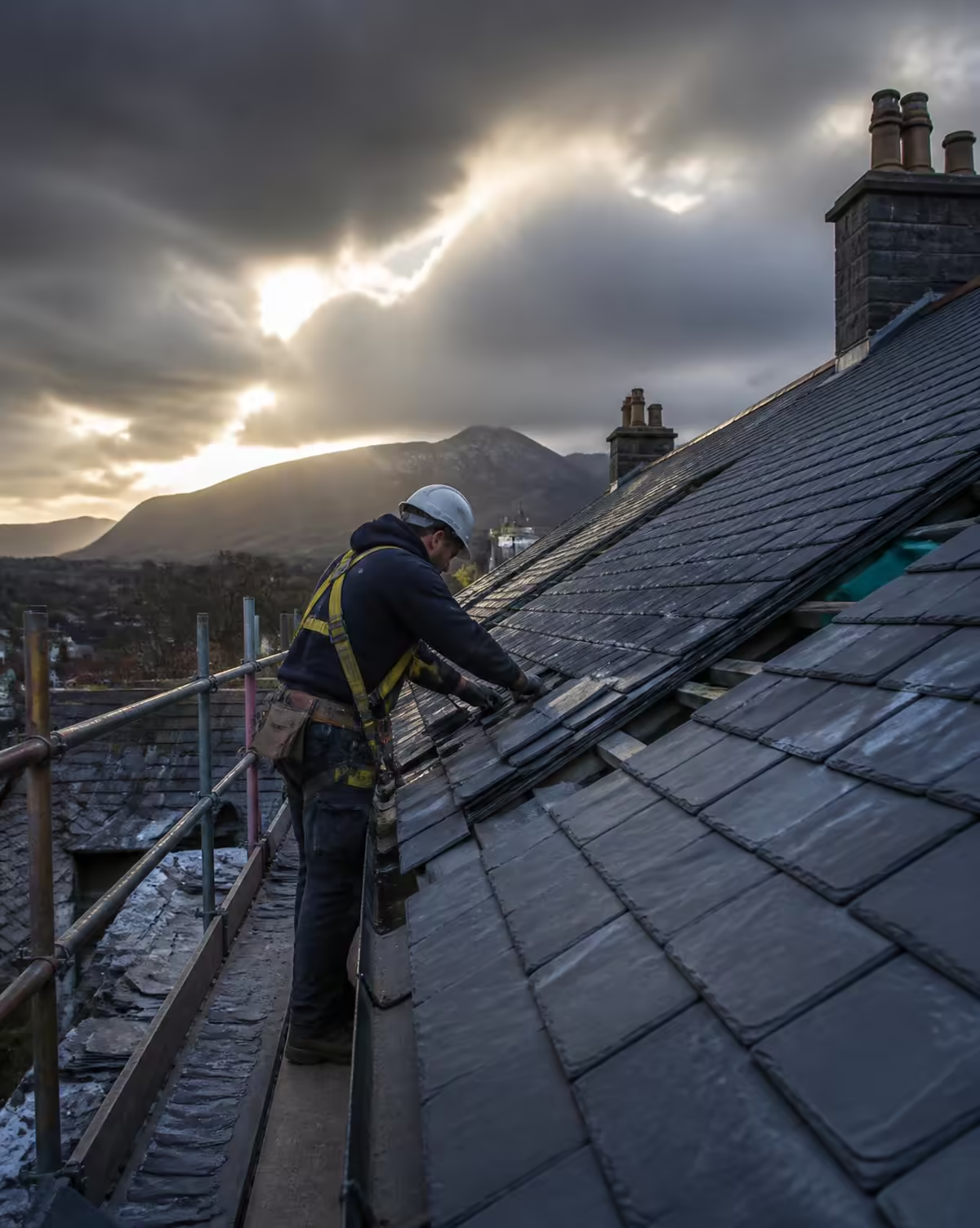
Yes. Public liability insurance should be in place on any roof work, and you are entitled to see it. Roof work involves height, access equipment and open coverings, so damage to your property or injury to a third party is a real possibility — and without cover, that exposure sits with you.
What to check
Ask for the certificate and check the insured name matches the company quoting, and that the dates are current. Where subcontractors or scaffolders will be on site, ask whose policy covers them.
Insurance is not a substitute for competence, and it says nothing about the quality of the diagnosis — but its absence is a reason to stop.
What evidence should you look for?
These are indications, not conclusions. Each one narrows where to look; only an inspection confirms a cause.
A contractor declines to produce insurance details.
Property damage during the works may be uninsured.
Areas that may need investigating
- insurance certificate
- who covers subcontractors
Urgency: Monitor
A pre-appointment check rather than a roof condition issue.
Treat it as more urgent if you see:
- Work is about to start with no insurance confirmed
How we can help
- Roof RepairsPlanned roof repair fixes an identified defect — slipped slates, cracked tiles, failed flashings, valley or ridge problems — before it becomes water ingress. Repairs are appropriate where the covering and structure are otherwise sound and the fault is localised.
- Roof SurveysA roof survey is a documented assessment of a roof's condition, remaining service life and defects, delivered as a written report with photographs and prioritised recommendations. It is used for property purchases, planned maintenance budgeting, insurance, dilapidations and settling disagreements about whether a roof needs replacing.
Related questions
What should you do next?
Ask to see current public liability cover before any work begins.